History
Earn Your Degree





Most Popular Courses























History in the Western World














Top Rated Courses











History in the Middle East













Most Popular Certificates







Understand US Past & Present








Frequently Asked Questions about History
You can study themes like war, imperialism, and globalization, as well as focused areas such as Black history and women’s history. Popular topic areas include World History, Ancient History, American History, Archaeology, Greek Mythology, Middle East, and Medieval Europe. Explore by region or era through curated collections on the page.
Try accessible survey courses such as Indigenous Canada, The Modern World, Part One: Global History from 1760 to 1910, or The Ancient Greeks. These combine clear video lectures with structured assignments to build core historical understanding. You can then branch into topics like diplomacy, religion, or archaeology.
Try architectural and cultural deep dives like Roman Architecture (Yale University) and The Changing Landscape of Ancient Rome. Archaeology and History of the Palatine Hill (Sapienza University of Rome). Pair them with civilization overviews such as Introduction to Ancient Egypt and Its Civilization, Wonders of Ancient Egypt (University of Pennsylvania), and The Ancient Greeks.
History courses on Coursera offer learners a broad understanding of historical events, trends, and perspectives, including:
- Comprehensive knowledge of specific historical periods, regions, and themes such as ancient civilizations, modern history, and economic history.
- Critical thinking and analytical skills to evaluate historical sources and narratives.
- Research skills for exploring historical data, documents, and other materials.
- Understanding the impact of historical developments on contemporary issues and societies.
- Skills for effectively communicating historical knowledge through writing and discussion.
- Methods for teaching history, including developing curricula and engaging diverse learners.
- Interdisciplinary approaches that combine history with politics, economics, and cultural studies.
Yes—when you complete a course, you’re eligible to receive a shareable electronic Course Certificate for a small fee. Certificates can be added to your resume or LinkedIn profile. Look for certificate details on each course page.
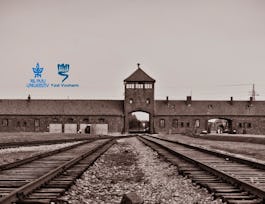
Courses are created by leading universities and institutions, including Yale, Tel Aviv University, the University of London, and the University of Virginia. Explore examples like Yale’s Roman Architecture, Tel Aviv University’s The Holocaust - An Introduction (I), and the University of London’s Global Diplomacy. Each course page lists the institution and instructor.
Use the curated sections on the page, such as History in the Western World, Middle East, Ancient History, Contemporary History, and US History. For instance, explore The French Revolution, The Emergence of the Modern Middle East - Part I, or Introduction to Ancient Egypt and Its Civilization. These collections make it easy to find courses aligned to your interests.
No prior history background is required; you’ll find options for beginners through advanced learners. Courses include video lectures, auto‑graded and peer‑reviewed assignments, and discussion forums to support your learning. You can start with foundational topics and move into specialized areas as you progress.
Single courses feature recorded lectures, assignments, and community discussions you can take online anytime. You can also pursue multi‑course paths like Specializations and Professional Certificates, and even explore online degrees offered on Coursera. Each format lists its structure and outcomes on its program page.









